Things to Know Before You Go to Greece
Let’s be real — Greece is that destination. Ancient ruins, stunning islands, incredible food, and people who somehow manage to make “just wander around” feel like the best plan you’ve ever had. Here’s everything you need to know before you land.
Why Athens? Why Greece?
Athens is one of those cities that sneaks up on you. You come for the Acropolis, but you stay for the neighbourhood vibes, the rooftop bars, and the souvlaki at midnight. It’s one of the world’s oldest continuously inhabited cities — people have literally been living there for thousands of years — and honestly, you feel it when you’re there.
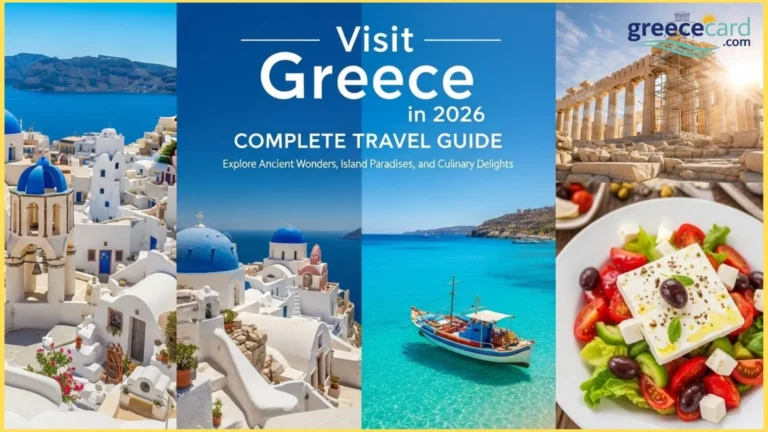
And Greece isn’t just Athens. From Santorini’s iconic blue-domed churches on volcanic cliffs to the utterly surreal monasteries of Meteora balanced on top of giant rock pillars, the country is absurdly photogenic at every turn.
Santorini alone looks like it was designed by someone who wanted every photo to go viral.
When Should You Go?
Spring (Apr–Jun) and Fall (Sep–Oct) are the sweet spots. You get warm weather, far fewer crowds, and much better prices. Summer is gorgeous but packed — think cruise ship crowds pouring into Monastiraki Square, and temperatures that make sightseeing feel like a workout.
October is genuinely underrated — barely any tourists, ~20°C, and the sea is still warm from summer.
Documents and Entry Stuff
Greece is in the Schengen Area, so EU folks just waltz in. If you’re coming from the US, UK, Canada, or Australia, you can stay up to 90 days without a visa — easy.
A few things to sort before you travel:
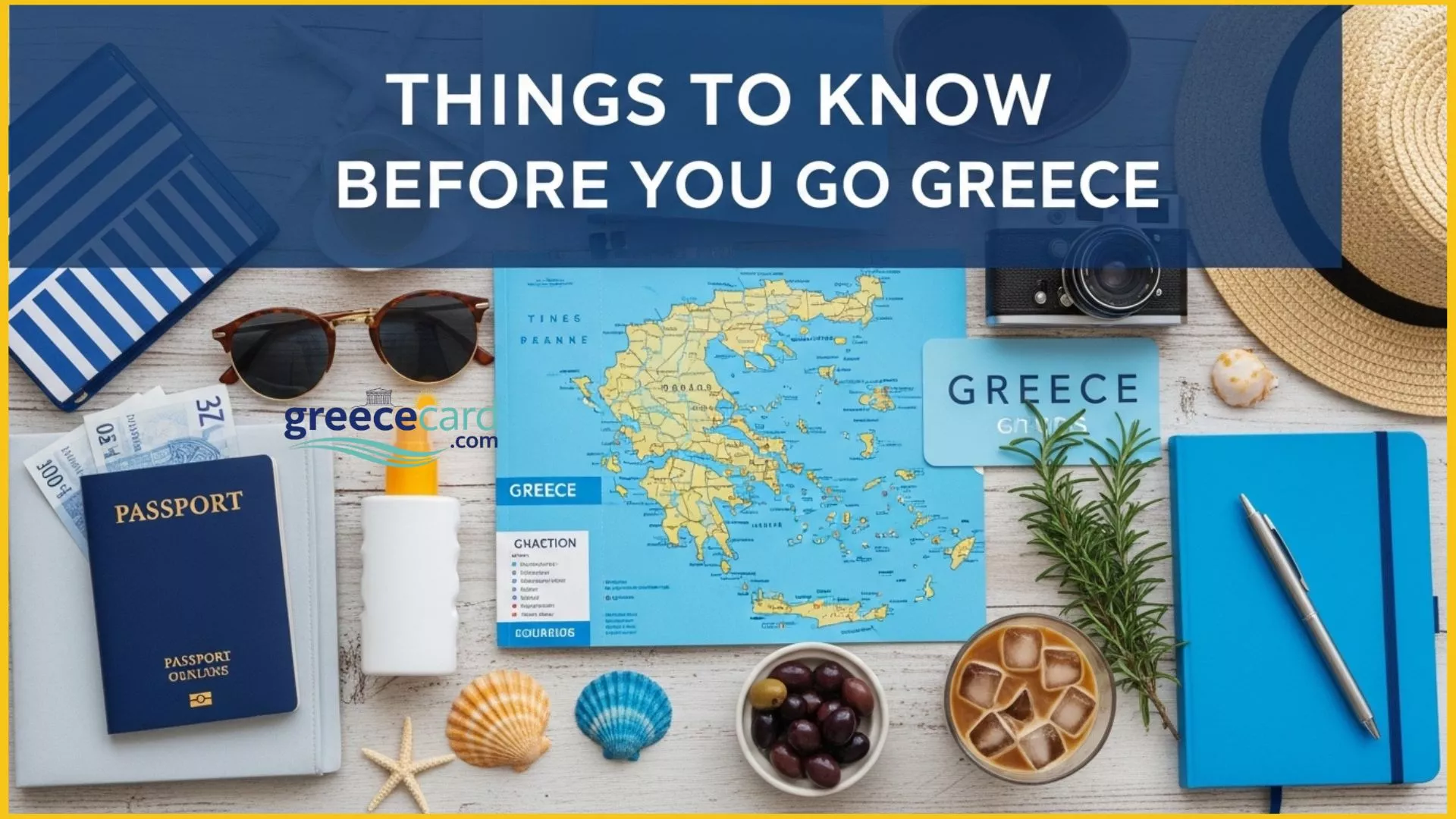
Valid passport — needs at least 3 months of validity after your planned exit date, plus 2 blank pages
Travel insurance — mandatory if you need a Schengen visa (minimum €30,000 coverage)
Proof of accommodation and return flights — standard stuff
ETIAS (coming late 2026) — if you’re from a currently visa-exempt country (USA, UK, etc.), you’ll soon need a quick pre-travel authorisation before visiting
Money Matters
Greece uses the Euro (€). Cards work fine at most hotels and restaurants, but carry cash for markets, street vendors, and anything remotely rural. ATMs exist everywhere in Athens, but on smaller islands? Not so much.
Rough daily budgets in Athens:
Budget traveller: €60–90/day — hostels, local tavernas, the metro
Mid-range: €100–140/day — comfortable hotels, guided tours, sit-down meals
Luxury: €200+/day — boutique hotels, private tours, fancy dinners
Tipping is relaxed — rounding up the bill or leaving 10% is appreciated, but nobody will chase you out if you don’t. For transport, a single metro/bus/tram ticket is just €1.20 for a 90-minute ride across all modes — genuinely great value.
Getting Around
Athens has a solid public transport system — metro, buses, trams, trolleys — all on the same reloadable ATH.ENA card. From the airport, the metro takes about 45–60 minutes to the city centre for a few euros, versus a taxi that’ll set you back €40+.
For the beach: the tram from Syntagma Square to the Athenian Riviera costs just €1.20. Compare that to a taxi at €15–2,0 and the choice is obvious.
For getting around between islands, ferries from Piraeus Port are the move — scenic, fun, and affordable. Book ahead if you’re going in July or August, especially for Santorini and Mykonos. Seriously, don’t wing it.
What You Absolutely Cannot Skip
These are the non-negotiables:
The Acropolis & Parthenon — book your tickets in advance, there’s a daily visitor cap
Acropolis Museum — go after the Acropolis so you actually understand what you just saw; it has AC, which feels like a miracle in August.
Ancient Agora — where Socrates used to hang out; combine it with the Monastiraki Flea Market
Plaka & Anafiotika — the charming old neighbourhood under the Acropolis; it genuinely feels like stepping into a Greek island village
National Archaeological Museum — one of the world’s greatest collections of ancient Greek art
And for the wanderers: just walking the Acropolis Promenade (Dionysiou Areopagitou) is one of the most beautiful strolls in Europe, connecting all the major sites on foot.
Food: The Real Reason to Go
Greek food is simple, fresh, and absolutely delicious. Here’s what you have to eat:
Souvlaki — the ultimate Greek street food; grilled meat in pita with tzatziki, tomatoes, and onions. Budget-friendly and dangerously good
Moussaka — layers of eggplant, spiced meat, and béchamel; basically a hug in food form
Horiatiki (Greek salad) — tomatoes, olives, cucumber, a slab of feta, olive oil. Sounds basic, tastes unreal.
Spanakopita — flaky filo pastry stuffed with spinach and feta; grab one from a bakery for under €2
Baklava — filo pastry, nuts, honey syrup. Have it. Don’t count calories
Ouzo — anise-flavoured spirit that Greeks drink slowly with seafood meze; do NOT throw it back like a shot, you’ll regret it
One key dining rule: meals are shared. Order a bunch of dishes for the table and dig in — that’s how the locals do it. And don’t show up for dinner before 9 PM — most restaurants barely fill up until then.
Culture and Etiquette (The Basics)
Greeks are incredibly warm and welcoming, but a few things help:
Cover up at churches and monasteries — shoulders and knees should be covered; no exceptions
Learn a couple of words — Kalimera (good morning), Efharisto (thank you), Parakalo (please/you’re welcome), go a long way
Accept food if offered — declining food in a Greek home is basically an insult
“On time” is flexible — being 30–45 minutes late is totally normal in social settings
Safety
Athens is genuinely safe — crime rates are lower thain n most major European cities. The main thing to watch is petty theft: pickpockets love the metro, Monastiraki Square, and crowded tourist spots.
Quick tips:
- Use a crossbody bag or money belt in busy areas
- Always use the meter in taxis, or just book via FreeNow or Uber to avoid scams
- Emergency number: 112 (works everywhere in the EU)
Day Trips Worth the Effort
Athens is perfectly placed for some epic day trips:
Cape Sounion (~1.5 hrs) — clifftop Temple of Poseidon with jaw-dropping sunset views over the Aegean; easiest and most rewarding half-day trip
Delphi (~2.5 hrs) — ancient sanctuary of Apollo with incredible valley views; one of Greece’s most important archaeological sites
Hydra (~2 hrs by ferry) — a car-free island with donkeys as the main transport; ridiculously charming
Nafplio (~2 hrs) — seaside town with Venetian architecture and a hilltop fortress; very underrated
Meteora (~4 hrs) — monastery-topped rock pillars, UNESCO World Heritage Site, and what am I even looking at? landscape in Greece
Pack These, Thank Yourself Later
Comfortable walking shoes — Athens is hilly and full of cobblestones; flip flops will destroy you
Sunscreen + hat — UV levels from May to September are no joke
Light layers — evenings cool down fast in spring and fall, especially on the islands
European plug adapter — Type C/F two-pin plugs, 230V
Some cash (Euros) — smaller islands often have limited ATMs
Reusable water bottle — tap water is safe to drink in Athens and most of mainland Greece
Greece isn’t just a holiday destination — it’s one of those places that gets under your skin. Whether you’re watching the sun rise over the Acropolis or eating souvlaki on a side street at midnight, it has a way of making you feel like you’re exactly where you’re supposed to be. Go informed, go hungry, and go ready to be surprised.