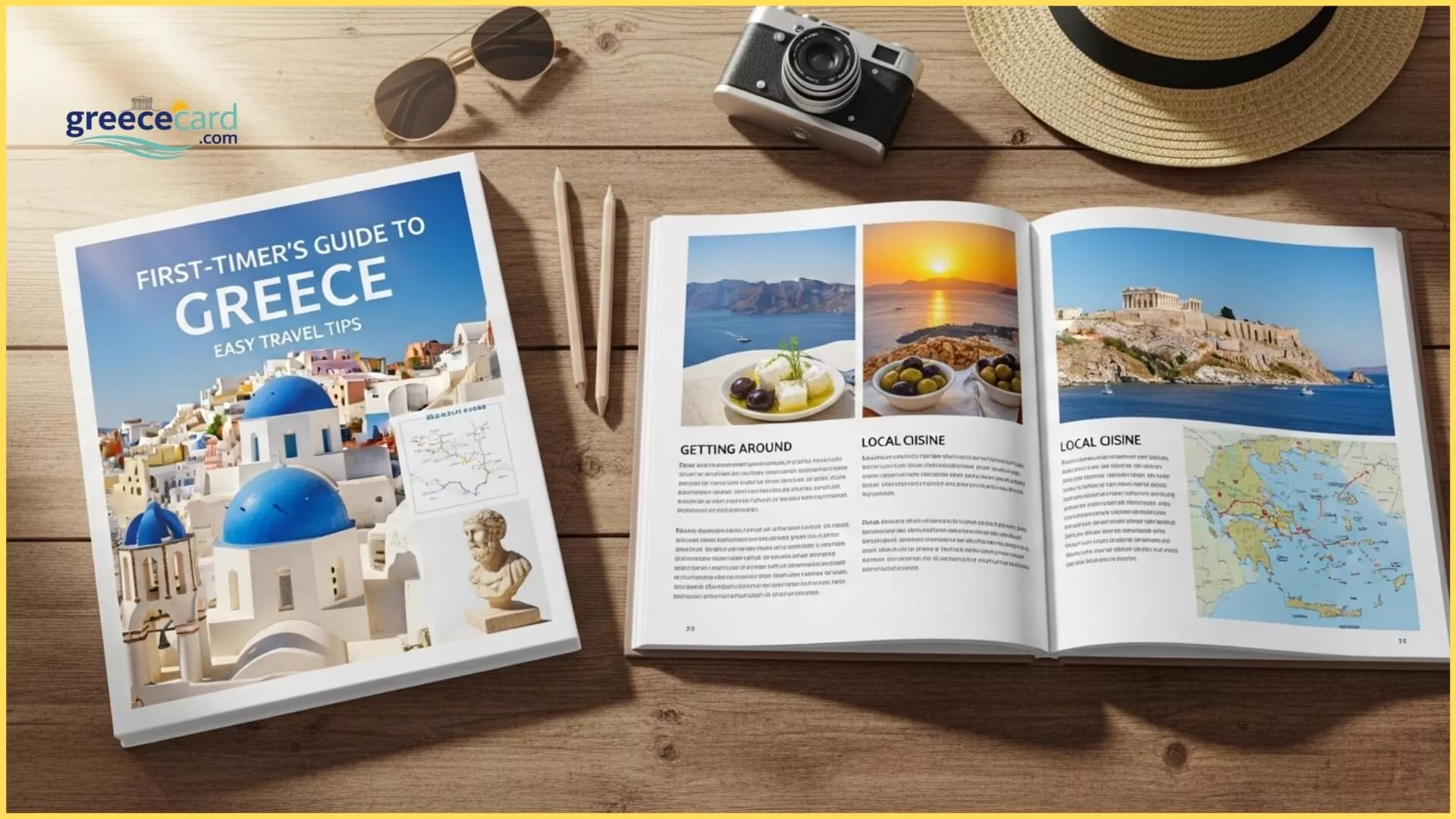
First-Timer’s Guide to Greece: Easy Travel Tips
So you’re thinking about Greece. Smart move. Like, really smart. Greece is one of those places you hear about your whole life, and then you finally go and think — why did I wait so long? Ancient ruins, crystal-clear water, food that makes you question every meal you’ve ever eaten before, and locals who’ll treat you like family five minutes after meeting you. Let’s get you sorted.
Why Greece Is Great for First-Timers
Honestly? Greece is hard to mess up. It’s safe, welcoming, easy to get around (once you know the ferry deal — more on that later), and it works whether you want to go full beach-mode or full history-nerd mode. The food is cheap and delicious, the scenery is ridiculous, and even the most touristy spots manage to still feel special. It’s just one of those countries.
When Should You Actually Go?
Here’s the honest breakdown — because going in the wrong month can genuinely make or break the trip:
| Season | Vibe | Best For |
|---|---|---|
| Spring (Apr–Jun) | Warm, green, manageable crowds | Sightseeing, hiking, photography |
| Summer (Jul–Aug) | Scorching hot, packed, expensive | Beaches, parties, island life |
| Autumn (Sep–Oct) | Still warm, way quieter, cheaper | Literally everything |
| Winter (Nov–Mar) | Cool and quiet, some islands sleep | Athens, culture, budget travel |
The real sweet spot? Late May–June or September–October. You get gorgeous weather, a warm enough sea for swimming, and you’re not elbow-to-elbow with every tourist in Europe. July–August is fun but brutal — we’re talking 40°C heat, sold-out ferries, and €18 cocktails in Mykonos. Go in summer if that’s your only option, just prepare yourself.
Where to Go:
Athens — Don’t Just Use It as a Stopover
Acropolis and the Parthenon in Athens at sunset
A lot of people treat Athens like an annoying pit stop before the islands. Those people are wrong. Athens is fascinating — chaotic, yes, a bit rough around the edges in places, but full of energy and history around every corner.
- The Acropolis Still gives you chills even though you’ve seen it a million times online. Go early morning to beat the heat and the crowds.
- Acropolis Museum — Genuinely world-class. Don’t skip it
- Plaka neighbourhood — Narrow streets, little cafes, great souvenir shopping without feeling ripped off
- Psyrri — Where locals actually go at night. Street art, bars, good food, real Athens energy
Give Athens at least 2 full days. It earns them.
Santorini
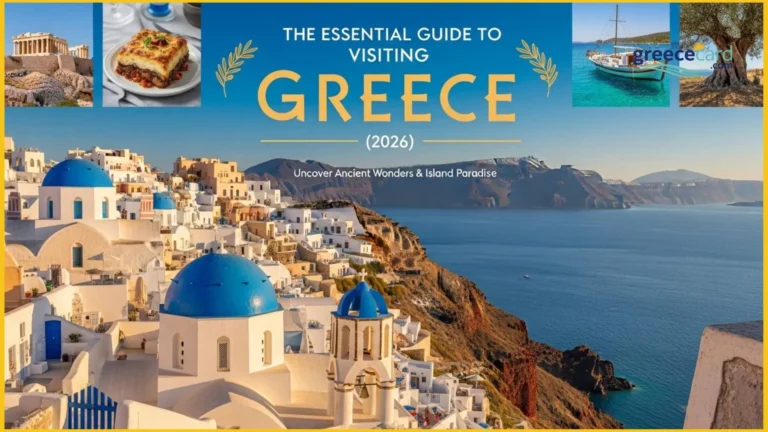
You know the photos — white buildings, blue domes, cliffs dropping into deep blue water. Well, it actually looks like that in real life. Somehow better, even.
Oia — The most beautiful village. Get there for sunrise,t but arrive early or you’ll be watching it with 2,000 phones in the air.
Fira — The main town, livelier and a bit more affordable
Black sand beaches — Genuinely unlike anything in Europe
Fair war,,ning though: Santorini is extremely hilly. Wear proper shoes. Your calves will not tha,,nk yo,,u but your camera roll will.
Mykonos
Yes, Mykonos has a reputation as the party island, and it’s not entirely wrong. But the Old Town (Chora) is genuinely beautiful — white maze-like streets, iconic windmills, great restaurants. The beaches are some of Greece’s best. Just know going in that it’s one of the pricier islands. Budget a b, itit’sxtra, or you’ll be in shock at the first restaurant bill.
Crete
Crete is massive (by Greek standards), and it basically has everything — stunning beaches, ancient Minoan ruins, mountain villages, gorges you can hike through, and food that’s even better than the mainland. If you’re torn between islands and can only pick one, pick Crete. Base yourself in Chania — the old town there is gogorgeous andives you easy access to the best western beaches.
Rhodes
Rhodes is perfect if you want ruins and a sunbed in the same trip. The Medieval Old Town is completely intact — you’re walking through 700-year-old fortress walls, past Crusader castles, through cobbled streets that haven’t changed much since the 14th century. Then 20 minutes away: gorgeous beach. Rhodes doesn’t get the Instagram hype of Santori,, ni but honestly,stly it’s one of the most well-rounded Greek islands out there.
The Food Section
Grilled chicken souvlaki skewers with peppers and onions on a plate with rice
Greek food is simple, fresh, and one of the best reasons to visit. The golden rule: eat at local tavernas, not tourist traps. The places with giant laminated photo menus right on the main square are rarely where the good food is. Walk one street back, find somewhere with handwritten menus and locals eating there, and you’re golden.
Things you absolutely must eat:
Souvlaki — Grilled meat on a skewer, eaten on the street, costs about €2–3. You’ll have one every day and feel zero guilt
Gyros — Meat in pita with tzatziki, tomato, and onion. Greece’s fast food and it’s brilliant
Moussaka — Layers of minced meat, aubergine, and creamy béchamel. Order it everywhere
Greek salad — Just tomatoes, cucumber, olives, and a proper slab of feta. Sounds basic, tastes perfect
Fresh seafood — Especially on the islands. Grilled octopus, calamari, whole fish. Just eat as much as possible
Baklava — Honey and nut pastry that’s dangerously good. Get it from a proper bakery
House wine at most tavernas is cheap and totally fine. Don’t overcomplicate it.
Getting Around:
Ferries are how you travel between islands, and they’re actually a great experience once you know the basics:
Book ahead in summer — Routes like Athens → Santorini sell out fast. Don’t leave it to the day before
Fast ferries vs. slow ferries — Fast ones cost more (€50–90+) but take 4–5 hours instead of 8–10. Worth it for longer routes
Short hops between nearby islands can be as cheap as €6–16
Use Ferryhopper to search and compare routes — it’s easy and reliable
Arrive at the port early. Greek ferries don’t always hang around waiting for stragglers
For longer distances like Athens → Crete or Athens → Rhodes, a domestic flight can cost under €40 and save you a full day at sea. Check Aegean Airlines or Sky Express.
In Athens, the metro is clean, cheap, and connected directly to the airport — no need to pay for a taxi when you arrive.
Practical Tips That’ll Actually Save You
Carry cash — Smaller islands, village tavernas, and local markets are often cash-only. ATMs exist b,, but can run dry in peak season.
Learn two phrases — Yassas (hello) and Efharisto (thank you). Locals genuinely appreciate it, and you’ll notice the difference in how warmly you’re treated.
The toilet paper rule — This catches everyone off guard: in most of Greece, you don’t flush toilet paper. You put it in the bin next to the toilet. The plumbing can’t handle it. Yes, really, yes everywhere.
Tap water — Fine to drink in Athens and on the mainland. On smaller islands, stick to bottled water to be safe.
Tourist tax — Greece charges a small nightly tax (€0.50–€4 depending on the hotel). Usually collected in cash at check-in. Not a big deal, just don’t be surprised.
Sunscreen is serious — In July and August, it hits 40°C. SPF 50, a hat, and light clothes aren’t optional; they’re survival gear.
Book accommodation early — Santorini and Mykonos fill up months ahead in summer. If you’re going in July–August, sort your accommodation now.
Mistakes to Avoid
Learn from other people’s bad decisions:
Only visiting one island — Greece has over 6,000 islands. Hop between at least two if you can
Not checking ferry schedules — Some smaller island routes run only a few times a week. Check before you commit to an itinerary
Eating at tourist restaurants — You’ll pay double for half the quality. Walk away from the laminated menus
Rushing Athens — Give it two proper days, and it’ll completely win you over
Going in peak heat unprepared — August in Greece is hot. Like, properly hot. Plan your walking for early morning and evening
Simple 5-Day Itinerary for Beginners
Don’t overthink it — this works really well for a first trip:
Day 1 — Athens: Arrive, explore Plaka, find a taverna, get souvlaki from a street stand, recover from the flight
Day 2 — Athens: Acropolis early morning, Acropolis Museum, Ancient Agora, evening drinks in Psyrri
Day 3 — Santorini: Morning fast ferry or flight, check in, explore Fira, watch the sunset somewhere without 2,000 people
Day 4 — Santorini: Beach day, afternoon hike from Fira to Oia (10km — do it, it’s stunning), sunset in Oia
Day 5 — Santorini: Village exploring, wine tasting, seafood lunch, head home happy
Got more time? Add 2–3 days in Crete — fly or ferry from Santorini, and your trip instantly levels up.
It’s really that simple. Greece is one of those rare destinations that delivers on every single promise — the ruins are breathtaking, the islands are paradise, the food is outstanding, and somehow it all stays affordable if you’re a little smart about it.