Where to Spend a Week in Greece (2026): The Travel Guide
So Greece is absolutely crushing it in 2026—tourism just hit €23 billion, and over 40 million visitors showed up. Why? Because Greece has cracked the code on vacation perfection: ancient ruins you actually want to see, beaches that look fake but aren’t, island-hopping that’s surprisingly doable, and food that’ll ruin every meal you eat back home.
This guide is for anyone staring at a map of Greece thinking, “um… where do I even start?” Whether you’re planning a honeymoon, dragging the kids along, trying to ball on a budget, or ready to blow money on cave hotels—I’ve got you.
You’ll learn the best 7-day itineraries, how to pick spots that match your vibe (not just “what Instagram says”), and what mistakes everyone makes so you don’t have to.
How to actually choose where to go
Before you spiral into decision paralysis, answer these honestly:
Islands or mainland? Athens = history central. Islands = where the magic happens. Most people do both.
Party mode or zen mode? Mykonos = DJ sets and hangovers. Naxos/Paros = “I’m reading a book on the beach.” Santorini = romantic sunset watching with 400 other people.
History buff or beach potato? Athens/Rhodes = ruins galore. Crete/Naxos = both. Mykonos = mostly beaches + nightlife.
What’s your budget pain threshold? Naxos and Paros won’t destroy your bank account. Santorini and Mykonos absolutely will.
First rodeo or been here before? First trip = Athens + Santorini is the classic play. Already done that? Naxos, Crete, or Rhodes are calling.
Best places to spend a week (real talk version)
Athens + Santorini (the Instagram greatest hits)
Who this is for: First-timers, honeymooners, people who want to check the boxes and not feel bad about it.
Why it works: You get your Acropolis photo op, actual history lessons that don’t suck, then you fly/ferry to Santorini for those blue-dome sunsets and cliffside infinity pools you’ve seen a million times (but they still hit different in person).
Can’t-miss stuff:
Athens: Acropolis, Parthenon, food tours in Plaka, Acropolis Museum (actually interesting, not just dusty artifacts).
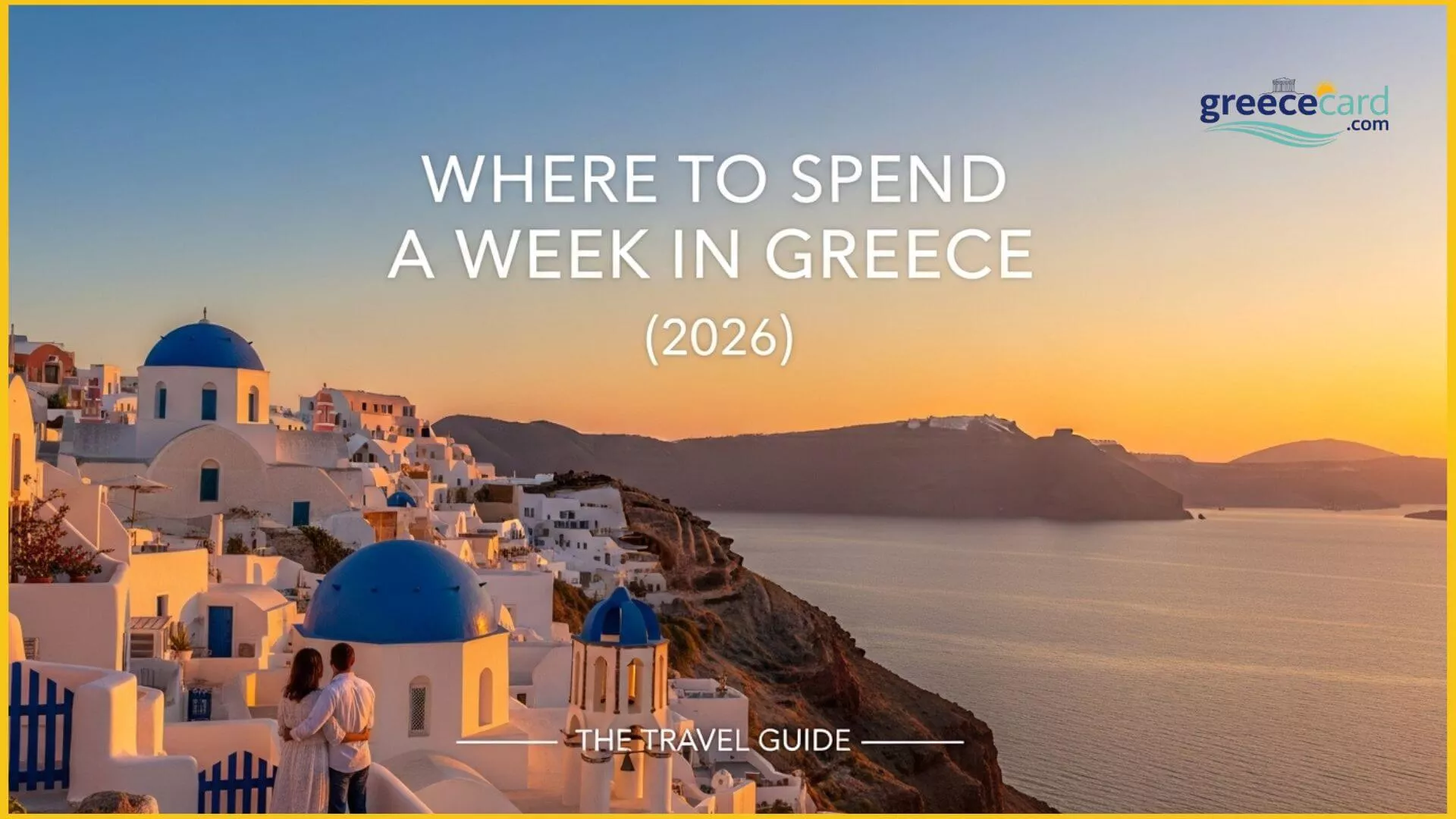
Santorini: Oia sunset (show up early or you’ll be standing on someone’s shoulders), caldera boat trip, wine tasting, wandering Fira’s tiny streets.
Split it like this:
3 days Athens (maybe squeeze in a Delphi day trip if you’re feeling ambitious).
4 days Santorini (enough to relax and explore without feeling rushed).
Getting there: Athens to Santorini is about 45 min by flight (€50–€150) or 5–8 hours by ferry, depending on speed (€40–€90). Flights = faster. Ferries = way more luggage allowed + no airport security theatre.
The good: Iconic. Easy logistics. You’ll get every “Greece vacation” photo you want.
The annoying: Santorini in July–Aug is packed. Oia sunsets feel like a crowded subway platform. Also expensive—like “€15 for a Greek salad” expensive.
Money reality check (per person, rough):
Budget: €800–€1,200 (hostels, street food, ferries).
Mid-range: €1,500–€2,500 (nice hotels, normal restaurants, some splurges).
Luxury: €3,500+ (cave hotels with private plunge pools, fancy dinners, helicopter transfers because why not).
Crete (the “I want it all” island)
Who this is for: People who hate choosing. Adventure hikers. Beach lovers. Food nerds. Families. Anyone who doesn’t want to pack/unpack 4 times.
Why spend the whole week here: Crete is massive—like, you could spend two weeks and still miss entire regions. One week gives you time to hike Samaria Gorge, float in Balos Lagoon’s cartoon-blue water, eat your weight in Chania’s old town, and still have beach days.
Highlights:
- Balos Lagoon (looks photoshopped,d but it’s real).
- Samaria Gorge (16km hike through Europe’s longest gorge; open May–Oct, best May–June or Sept–Oct before it gets too hot and crowded).
- Chania Old Town (Venetian harbor vibes, incredible tavernas).
- Pink sand beaches at Elafonissi.
- Knossos Palace (Minoan ruins, kinda cool).
Sample week:
- Days 1–2: Chania (wander Old Town, hit nearby beaches).
- Day 3: Balos Lagoon trip (bring water, sunscreen,n and your best camera work).
- Day 4: Samaria Gorge hike (full day, wear good shoes, your calves will hate you).
- Days 5–6: Rethymno or Heraklion + Knossos.
- Day 7: Beach day or mountain village exploration.
The good: Unpack once. Tons of variety. Feels less “performative” than Santorini. The food scene is chef’s kiss.
The annoying: You really need a car (public transport is meh). It’s big, so you’ll be driving 45min–1.5hrs between spots sometimes.
Money: Similar range to Athens + Santorini, but hotels are cheaper outside peak times.
Mykonos + Paros (party meets chill)
Who this is for: Groups. People who like other people. Beach club enthusiasts. Anyone whose ideal day involves a DJ set and a frozen cocktail.
Why this combo works: Mykonos brings the party energy (beach clubs, late nights, “how is it 4 am already?” moments). Paros brings actual charm, better beaches, and the ability to recover from Mykonos.
What you’ll do:
- Mykonos: Beach clubs (Scorpios, Nammos—bring money), Mykonos Town wandering, Little Venice sunset, iconic windmills, pretending you’re famous.
- Paros: Naoussa (fishing village that looks like a painting), Kolymbithres Beach (wild rock formations), napping without guilt.
The split:
- 3 days Mykonos (enough to party + see stuff).
- 4 days Paros (recover + enjoy actual Greece).
Getting between them: Ferry takes about 40–50 min. Super easy. You’ll barely finish your coffee before you’re there.
The good: Perfect for social travelers. The ferry connection is painless. Paros costs way less than Mykonos but looks just as good.
The annoying: Mykonos is expensive (hotels, food, drinks, etc.). Can feel a bit “scene-y” if you’re not into that energy.
Money: Mykonos pushes the budget up hard—think mid-range to luxury pricing unless you’re strategic about where you sleep/eat.
Naxos (2026’s secret weapon)
Who this is for: Couples. Food lovers. People who want “real Greece” without fighting cruise-ship crowds for a sunset view.
Why everyone’s suddenly talking about it: Naxos just got named one of the world’s most authentic destinations by Condé Nast Traveler readers in 2026, right next to Syros. It’s got beaches that rival Mykonos, mountain villages that feel like time travel, farm-to-table food (Naxos grows its own stuff), and a vibe that’s way more “local life” than “tourist trap.”
Don’t miss:
Portara (giant ancient marble gate, unreal sunset spot).
Apiranthos village (medieval mountain town with stone streets and homemade lemonade stands).
Agios Prokopios Beach (consistently rated one of Greece’s best).
Hiking trails, if you’re into that.
The food—Naxos makes its own cheese, potatoes, produce…It’ss a foodie’s dream.
Why spend a whole week: Naxos is big enough to explore without rushing, but cozy enough to feel homey. Base yourself in Naxos Town (Chora) and day-trip around, or split time between coast and mountains.
The good: Authentic. Affordable. Way less crowded than Santorini/Mykonos. Incredible beaches + culture combo.
The annoying: Fewer “Instagram-famous” spots (if that matters to you). Less nightlife than Mykonos (but honestly… good).
Money: More affordable than Santorini/Mykonos. Great mid-range and budget-friendly options.
Rhodes (history + beaches without the chaos)
Who this is for: History nerds. Families. People who want variety but don’t want to work too hard for it.
What makes it great:
- Rhodes Old Town (UNESCO medieval walled city—straight-up Game of Thrones vibes).
- Lindos village + Acropolis (whitewashed houses climbing a cliff, ancient ruins on top, St. Paul’s Beach below).
- Insane turquoise bays (Anthony Quinn Bay, Tsambika Beach, Kalithea Springs).
- Prasonisi (where two seas meet—looks wild, great for windsurfing).
Easy 7-day plan:
- Day 1: Rhodes Old Town (get lost, eat, repeat).
- Day 2: Lindos + beach time at Agathi.
- Day 3: Tsambika Beach + monastery visit.
- Day 4: Prasonisi or south coast beaches.
- Day 5: Kalithea Springs + west coast exploring.
- Day 6: Mountain villages or Seven Springs hike.
- Day 7: Final beach day or last-minute Old Town shopping.
The good: Great for families. Mix of history + beaches. Easy to rent a car and cruise around.
The annoying: Less “chic” thanthe Cyclades islands. Rhodes Town can feel touristy.
Money: Mid-range friendly. Better value than Santorini for sure.
One-week plans by vibe
Romantic/honeymoon mode
Santorini (4 days) + Milos (3 days): Cave hotels, sunset sailing, volcanic beaches, intimate coves, pretending you’re in a perfume commercial.
Family vacation
Crete or Rhodes: Both have beaches, water sports, history field trips, and hotels with kids’ clubs so you can nap.
Budget-conscious
Naxos (4 days) + Paros (3 days): Affordable hotels, free beaches, cheap ferries, and incredible food without the markup.
Or Athens (3 days) + nearby island day trips (Aegina, Hydra): Skip expensive island flights/ferries.
Luxury flex
Santorini (4 days) + Mykonos (3 days): Boutique cave hotels, private yacht charters, beach clubs with bottle service, Michelin-star dinners.
Practical stuff you actually need to know
When to actually go
May–June: Shoulder season = fewer crowds, warm weather, wildflowers everywhere. Honestly, the best choice.
Sept–Oct: Post-summer calm, water’s still warm, better prices. Perfect for hikes like Samaria Gorge.
July–Aug: Peak season = hot, packed, expensive. Book literally everything months ahead if you go.
Getting around
- Ferries: Book ahead in summer (they fill up). High-speed = faster but more €. Blue Star = slower but comfier.
- Flights: Internal flights (Athens ↔ islands) save time,e but luggage fees add up fast.
- Car rentals: Essential for Crete, Rhodes, and Naxos. Not needed for Athens, Santorini Town, or Mykonos Town.
Where to sleep
- Book 3–6 months ahead for summer 2026 (especially Santorini/Mykonos—they’re already filling).
- Stay in main towns for convenience or quieter villages for lower prices + actual charm.
Money reality (per person, 7-day rough estimate)
- Flights to Greece: €200–€800, depending won here you’re flying from.
- Hotels: €50–€150/night (budget–mid), €200–€500+ (luxury).
- Food: €25–€60/day (€10–€15 lunch, €15–€40 dinner, coffee/snacks).
- Activities: €20–€100/day (site entries, boat tours, car rentals).
So where should YOU actually go?
| If you want… | Go here |
|---|---|
| Classic first trip, no regrets | Athens + Santorini |
| Everything in one place | Crete |
| Party + beach clubs | Mykonos + Paros |
| Authentic + uncrowded | Naxos |
| History + family-friendly | Rhodes |
| Romantic luxury vibes | Santorini + Milos |
Real talk: One week is plenty to get a solid Greece experience—just don’t try to see everything. Pick 2–3 places max, actually spend time there, and save the rest for next trip (because you’ll 100% want to come back).
Book early for summer 2026—Greece is breaking tourism records, and stuff fills up fast.
FAQs
Is one week actually enough for Greece?
Yeah, totally. You can do Athens + one island, spend the whole week on Crete, or split between 2–3 smaller islands. Don’t try to do 5 islands in 7 days—you’ll just be tired and confused.
Which island for first-timers?
Santorini is the classic “wow” move, but Naxos gives you better value and authenticity. Crete works if you want variety without ferry-hopping.
Is Greece gonna destroy my budget in 2026?
It can. Santorini and Mykonos are spendy (think €200+ hotels, €40+ dinners). Naxos, Paros, and Crete are way more reasonable. Athens is somewhere in the middle.
Should I island-hop in 7 days?
Max 2–3 islands. More than that,t and you’ll spend half your vacation on ferries looking at your luggage. Athens + 1 island or 2 close islands (like Mykonos + Paros) works best.
Santorini or Mykonos—which one?
Santorini = romantic, dramatic cliffs, sunsets, and wine. Mykonos = party, beach clubs, nightlife, chaos. Pick based on your personality (or do both if you’ve got time and money to burn).